

Thread Count
Studio updates, sewing tricks, and a bench makeover worthy of a manor house

It’s been a whirlwind few weeks over at the studio, where Laura, Cathryn, and I have been decorating at lightning speed. You’ve never seen three women craft faster—Cathryn built a console table from scratch and constructed and tiled a coffee table like it was nothing. Laura tackled the kitchen, painting every cabinet and shelf and masterfully assembled a treasure trove supply room. Meanwhile, I’ve become a sentient sewing machine, churning out curtain panels like I’m training for a Regency-era marathon: a skirted console, a gathered dishwasher cover, a shower curtain, a 40-foot scrunched cord cover, and cafe curtains have all emerged from the chaos that is my dining room table.
Last week, I teased the office paint saga—I landed on Farrow & Ball’s Setting Plaster and spent an entire day colour-drenching approximately 90% of the room. Then I promptly ran out of steam and left the best (read: most tedious) for last... the ceiling.
In happier news, a very exciting delivery arrived: a $30 Facebook Marketplace bench, now completely transformed thanks to one of my favourite fabric collaborations in recent memory: Giles Deacon x Sanderson. I’m smitten with the entire collection, which manages to feel both timeless and fantastically eclectic in the best way. The bench transformation was the ideal opportunity to use a fabric I’ve long been coveting: Trelliage in Aphrodite/Blush. The bench is now living its best life and has never looked better.


Pattern Recognition
What happens when a legendary British heritage brand invites a couture designer to rummage through its archive? Something wildly imaginative and impeccably detailed: the Giles Deacon x Sanderson collection—a sumptuous collision of fashion, fine art, and interior fantasy.
Deacon, known for his theatrical flourishes and masterful illustrations, dove deep into both his own studio’s archives and Sanderson’s storied pattern vaults. The result is a collection that honours tradition while turning it on its (embroidered, tassel-covered) head. Sanderson classics are reimagined alongside entirely new designs—each one layered with history, wit, and a flair that is distinctly Giles.
Trelliage combines a classic 19th-century trellis with exquisitely detailed Victorian botanical illustrations, reimagining archival beauty through a surreal, naturalistic lens. It’s a delicate collision of structure and whimsy—what Giles calls “classicism recontextualised.”
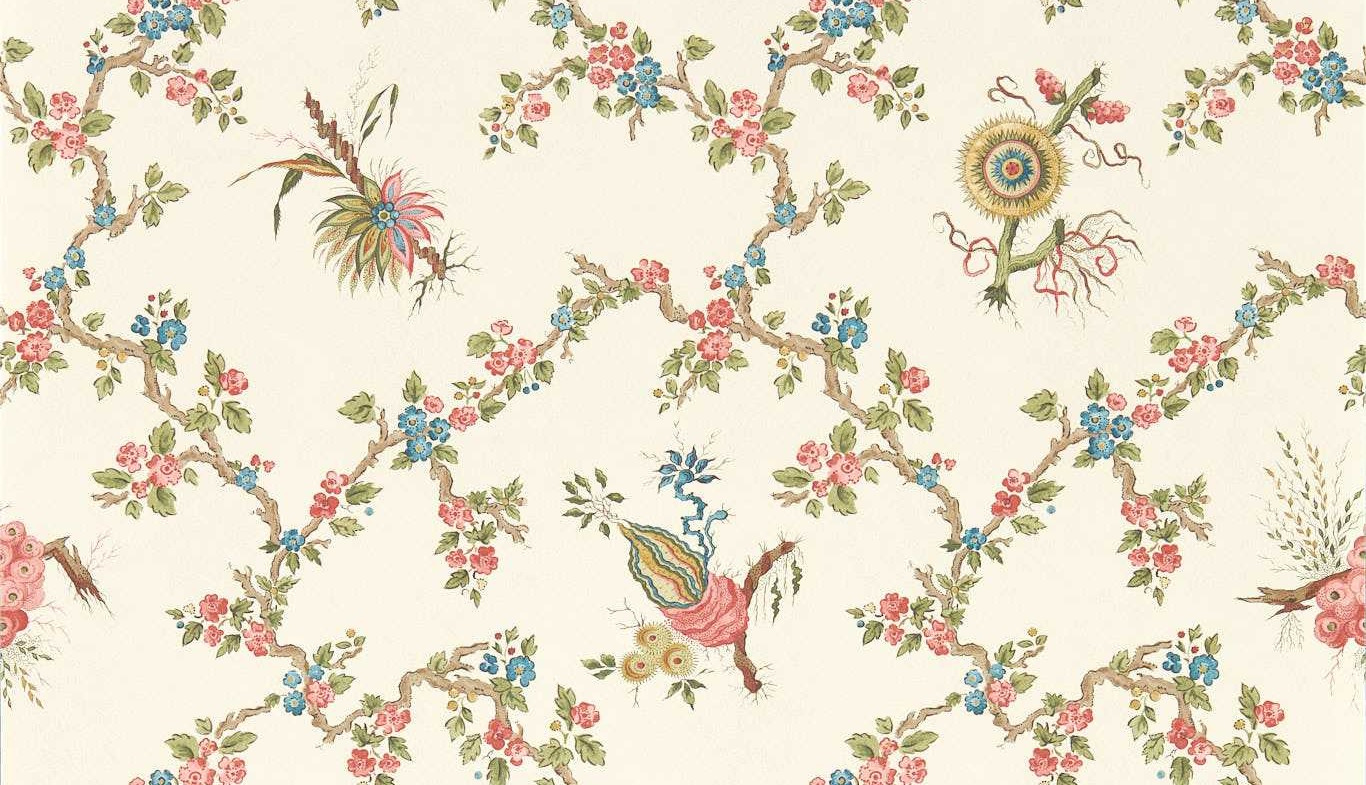
Cupid’s Beau revives the romanticism of the archival Etchings & Roses, adding a modern lilt to this classic Sanderson motif.
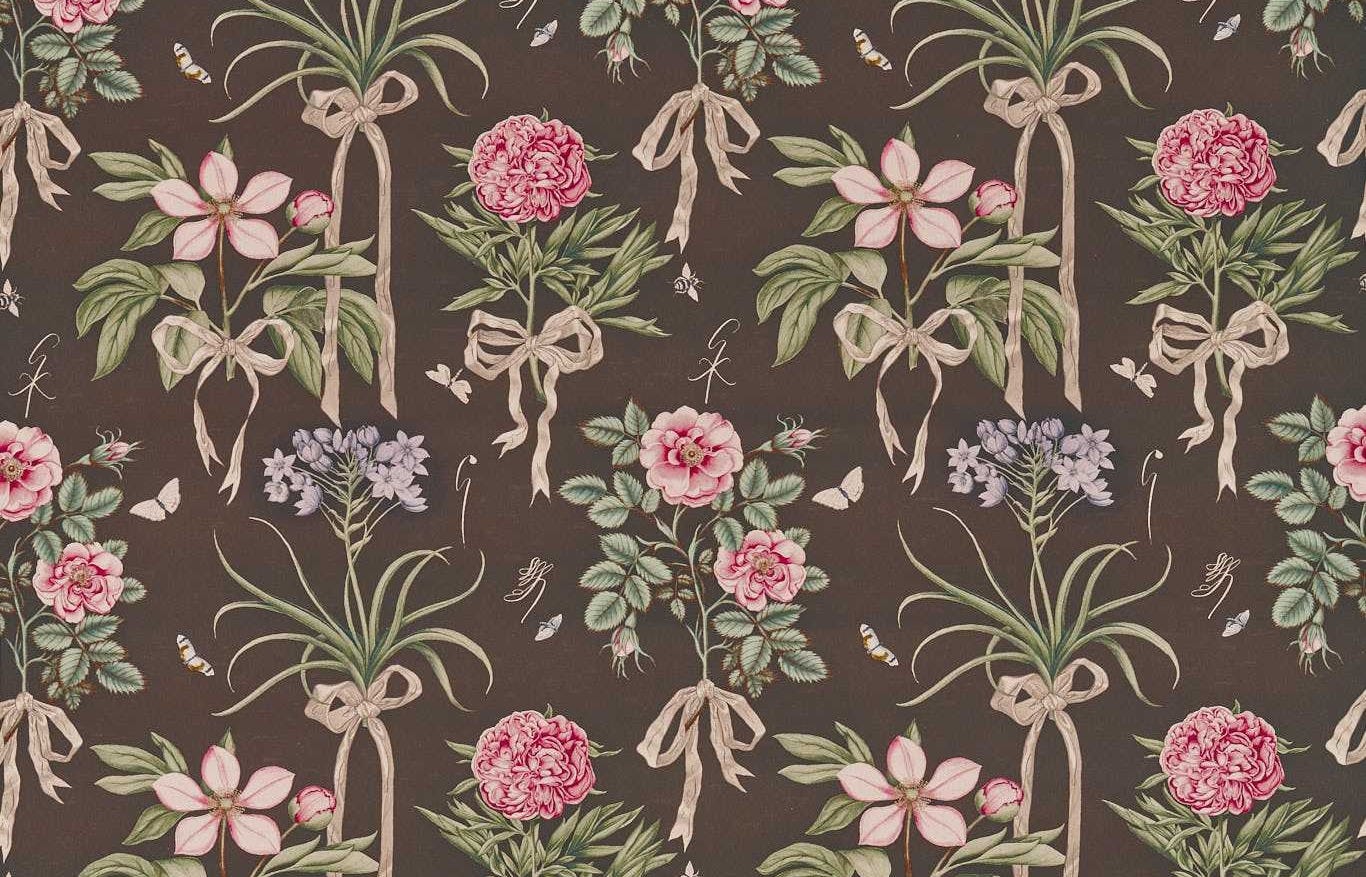
The wallpapers in the collection are decadent and theatrical, with a nod to a bygone era. Pygmalion melds Baroque opulence with whimsical detailing to satisfy the fairest of ladies, while Wilsford revives mid-late nineteenth-century trompe l'oeil patterns from the Sanderson archives.


Rooted in the grandeur of the classic English manor—but delighting in its gently crumbling edges—this collection celebrates abundance and detail, breathing new life into nostalgic motifs. Giles’s hand is everywhere, layering archival richness with a reverence for the handmade.
It’s decadence with a wink, elegance with a twist. Just how I like it!
From the Workroom
As mentioned, I’ve been sewing studio projects on autopilot lately, and I’m eager to share a super simple fix for an eyesore that beleaguers even the most considered interior schemes.
The Cord Cover
In home decor, few things irk me more than visible electric cords. I love lamps—but I do not love the tangle of cords that comes with them. Then came a lightbulb moment, courtesy of Pierce & Ward’s dreamy pendant lamps: a fabric cord cover!
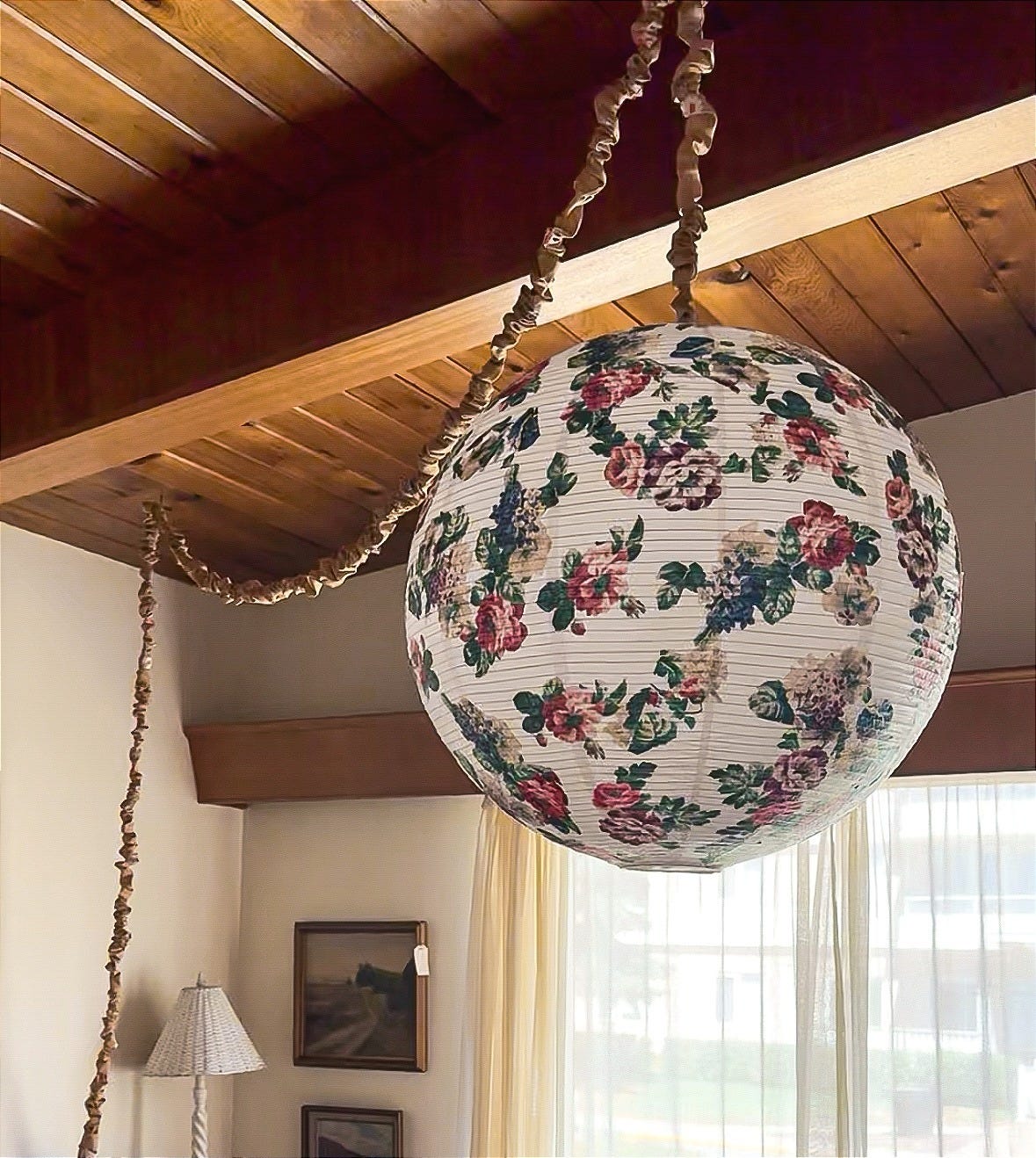
Cathryn had already transformed an IKEA paper lantern with a little ingenuity and Mod Podge, but its 20-foot cord was crying out for the same treatment. Enter: the easiest, most forgiving sewing project imaginable. Just cut bias strips of fabric (around 4" wide), fold in half with right sides facing and sew along the raw edge. Turning the tubes right side out is the most time-consuming part, but thankfully, it pairs perfectly with a Netflix binge. (Sirens, if you’re curious.)


I sense that lightweight, gauzy fabrics work best for this to get the optimal scrunch (Fabricland had a great selection…I used a rather retro 80’s floral for this project and picked up a silky ticking stripe for future use.) Also note, you’ll need to sew covers that are at least 2.5x the cord length, again, for optimal scrunch.
Et voila!
See you next week!